Technical SEO
Take Your Technical SEO to the Next Level
Is your website optimized for search engines, yet your content remains hard to find on the internet? Does your site take too long to load? If so, it sounds like a case for technical SEO. Technical Search Engine Optimization specifically refers to the crawling and indexing phase (the process by which Google checks a website for new content) performed by so-called crawlers (Google bots). For search engines like Google to properly analyze and evaluate your site, access and reachability must be ensured. Common terms associated with this include page speed, sitemap, indexability, and internal link structure.
Before you can start improving your technical SEO, you need to analyze the current state of your website. Which areas need optimization, and where does your site already perform well?
The Google Search Console plays a central role in technical optimizations. It provides valuable insights into Core Web Vitals, user-friendliness, and overall website structure.
Seybold is happy to take care of your technical search engine optimization for you. Contact us now and let's talk.
Technical Optimization for Long-Term Success
To ensure your long-term success on the internet, a fundamental technical optimization of your website is needed. The foundations for this optimization are best laid at the beginning of your website's launch, but they can also be implemented later. For example, choosing the right theme, clean code, and compressed images are fundamental steps towards a technically optimized website. Additionally, submitting a sitemap to Google is essential to ensure smooth crawling and indexing of the site.
If these technical optimizations are made from the start, you can avoid problems later on. This saves time and allows for continuous growth. For instance, choosing a lean theme helps optimize page speed right from the beginning. To monitor your loading speed, the Pagespeed Insights tool is recommended. It allows you to check your loading speed for free and identify areas with optimization potential. Large images or removing resources that block rendering are just a few of the tips.
Technical SEO Agency Seybold: Your Strong Partner
Technical SEO can be tricky and often complex. Seybold specializes in technical search engine optimization and is your go-to agency for questions about:
- Indexing issues
- Page speed
- Internal link structure
- Mobile user-friendliness
- Avoiding duplicate content
- and more.
With our years of experience, we are a strong partner by your side. Our qualified and experienced staff will support you and help take your website to the next level.
Technical SEO Requirements at a Glance
As you can see, there are several requirements when it comes to technical SEO. In summary, ensure that Google's crawlers can visit and regularly index your website without any issues. Millions of websites go live every day, and countless Google bots are tasked with indexing these sites.
Help Google by making your website search engine friendly. Integrating a sitemap provides Google crawlers with a roadmap to quickly understand your site's structure. This positively impacts your visibility. Additionally, using an SEO checklist for technical optimization is beneficial to keep track of everything.
Technical SEO also includes the security aspect of a website. A hack can cause image damage and ranking losses, so it's crucial to ensure your website's security. Basics include using an SSL certificate, a secure password, and regularly updating plugins and third-party programs to close security gaps.
Why Technical SEO is Crucial for Optimization
The term “Technical SEO” encompasses all on-page optimizations. Technical SEO ensures that a website's content is easily understood by search engines and is well-structured on the site. Optimization possibilities include operating systems, server configurations, software, and source code. Page speed is a recognized ranking factor in Technical SEO.
Read our article on Improving Google Ranking.
Technical SEO consists of the following key points:
- Indexability
- Internal link structure
- Meta titles and descriptions
- Mobile user-friendliness
- Page speed
- Avoidance of duplicate content, both internal and external

Key Technical SEO Points to Focus On:
Internal URL Structure
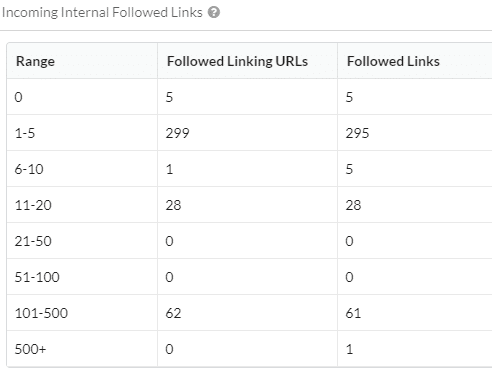
The internal URL structure, also known as internal linking, is designed to reference subpages within a domain. This has the advantage of making it easier for search engines and users to find content. Important: The content should be organized using SEO silo techniques.
Implementing SEO silo techniques on a website involves grouping related pages. Just like a farmer uses separate silos for different grains, webmasters can structure a website into silos. This makes it easier to distinguish content themes and helps search engines understand the purpose of the website.

Follow These Link Tips:
- Avoid placing internal links in the footer or sidebar.
- To ensure a click, position the link reference at the beginning of the content.
- The anchor text of an internal link should include the main keyword of the target page, providing a clear hint to the user about the link destination.
- Internally placed links should be relevant to the topic and enhance the theme of the page.
- Pay special attention to removing broken links that lead to a 404 error.

General Links

Pay attention to all the links on your website. Are there any error messages, broken links, or unauthorized page accesses? – Check and remove them. This is crucial for technical SEO.
If a link ends up on a 404 page from an external site, it’s very frustrating for the user and embarrassing for the website owner. Such issues should not occur. In the worst case, the website could be removed from the index because Google often deindexes pages with 404 errors, broken links, and dead links, considering them as pages without value.
Redirect the affected link to a page with similar content.
Indexability

If you want your web pages to be found on the internet, it is crucial that they are indexable. Ensuring the indexability of a website is therefore a key component of successful search engine optimization, and thus technical SEO. For search engines to read and evaluate your web pages, they must be written in error-free HTML code. Having a simple internal URL structure and clear site navigation makes it easier for the search engine crawlers to capture your entire website.
It is important that all relevant web pages are always visible and readable for search engines.
XML Sitemaps

XML sitemaps include all relevant pages in the sitemap. In the XML format, you will find every URL of a website, providing a complete list of the pages.
XML sitemaps can be uploaded to Google Search Console, giving the search engine a comprehensive overview of all available pages. They are only readable by bots and help quickly understand the structure and navigation of your site. This allows the bot to get an overview of your content.
Google uses XML sitemaps as a roadmap to your web content.
OnPage - Technical SEO

Onpage covers topics such as header structure and duplicate content. Duplicate content refers to identical content appearing on multiple URLs. Search engines often react very negatively to duplicate content because they do not assign rankings to identical content. Extra caution is needed here, as duplicate content can quickly slip in and become a major issue for your website.
To fix this problem, your content should be revised. Good scanners available online can quickly identify and eliminate duplicate content on your site.

Learn more about structure and optimization at Improve Google Ranking.
Security

Losing control over your website is every website owner's nightmare. That's why web security is crucial not just for your website but also for your ranking. A hack or hacking attempt could prevent Google's bots from accessing your site. Your content and keywords would then not be evaluated. This means ensuring the communication between the server and the user's web browser is secure.
Additional security measures include:
- Automated backups
- Secure passwords
- Good platform security (web host)
- Protect your input forms
- Use a current SSL certificate
To protect yourself from a hack: Ensure that your web server's security is guaranteed, as it is always the first target for attackers. A faulty or outdated configuration can make it very easy for hackers. Web applications like WordPress and TYPO3 are the most common targets.
If you suspect an issue, consider the following steps:
- Implement all security measures and check your access data and permissions
- Keep your software always up to date
- Obtain updates only from authorized sources
- Check your website for hidden content and unknown scripts
- Regularly monitor the files on your server and change access data if necessary
Page Speed - Especially Important for Technical SEO

Load speed is not only crucial for Google ranking, but it is also becoming increasingly important for user experience. This is mainly because users expect an extremely fast loading time.
To identify which page is loading slowly or has the highest bounce rate, Google Analytics should be used to determine the cause.
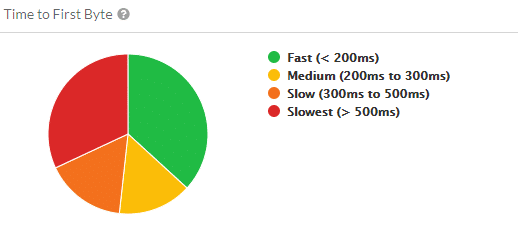
After just one second, attention starts to wane...
- A mobile user's attention can be held for up to one second.
- Focus diminishes after one second, and the user may leave the tab or close it entirely.
- Increased user frustration means they are unlikely to return to the website.
Ensure your pages load quickly, even on mobile. Make them user-friendly, as more people browse on mobile than desktop these days. Optimize resources like images, CSS, and JavaScript to load in small sizes and sequentially, so users don't have to wait long to see content.
Find more information at Core Web Vitals
Structured Data
As the name suggests, structured data organizes the content in the background of a website.
Structured data refers to the information on a website that is specially marked for search engines. This makes it easier for Google's bots to categorize the data. Structured data helps search engine crawlers understand website content better.
With structured data, you tell search engine bots, for example:
- that an embedded file is a video
- how long the video is
- that the numbers on the contact page are your business hours
- that the other numbers are your phone number
- that a text is a recipe
- what information a product has
- how much a specific product costs
- when an event takes place
Structured data gives Google more context about your website. This is especially helpful for online shops where product descriptions are often short, which can be imprecise for search engine indexing.
You also get better representation in search results. Structured data can enable additional content in rich snippets, like displaying customer reviews as stars. While this offers no technical advantage, it does provide a visual one. Additional information makes your entries in search results stand out from competitors who lack structured data, drawing more attention to your listings.
Conclusion
Overall, the importance of technical SEO measures underscores that careful website optimization is crucial for successful online ranking. Key aspects like page speed, indexability, internal link structure, and security measures form the foundation for effective search engine optimization. Collaborating closely with specialized technical SEO agencies like Seybold ensures not only the implementation of these essential factors but also continuous improvement and long-term success in the digital space.
Further topics:
- Tools for technical SEO analysis: Sitebulb, Ryte, SEMrush
- Core Web Vitals
- Improve Google Ranking
- International SEO